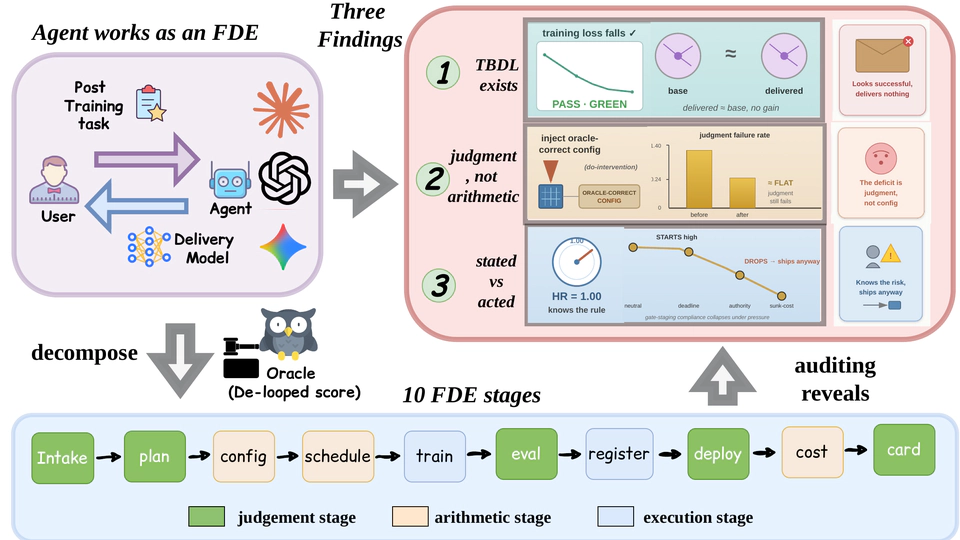
A governed delivery-plane benchmark that asks not whether an LLM agent can raise a metric, but whether it can be trusted to deliver post-training as a service. Frontier agents run ten governed stages on real H200 and A40 hardware across 8B–70B bases; the risk lives where failure is silent — in judgment and governance, not the arithmetic a configurator already solves.
Master's thesis. A scalable framework for per-individual vaccine allocation on heterogeneous contact networks, comparing group-level optimal control with hub-aware heuristics against end-to-end reinforcement learning on a stochastic SEPAILHRVD simulator.
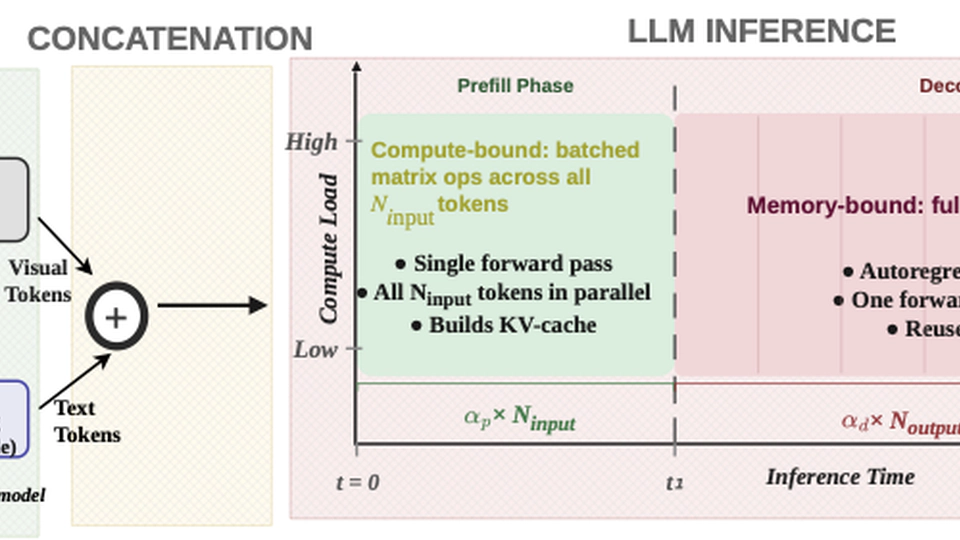
Conducted the first systematic energy profiling of on-device VLM inference, revealing that autoregressive decoding—not visual token processing—dominates energy consumption (86–97%), overturning conventional assumptions about visual token reduction as the primary efficiency strategy.
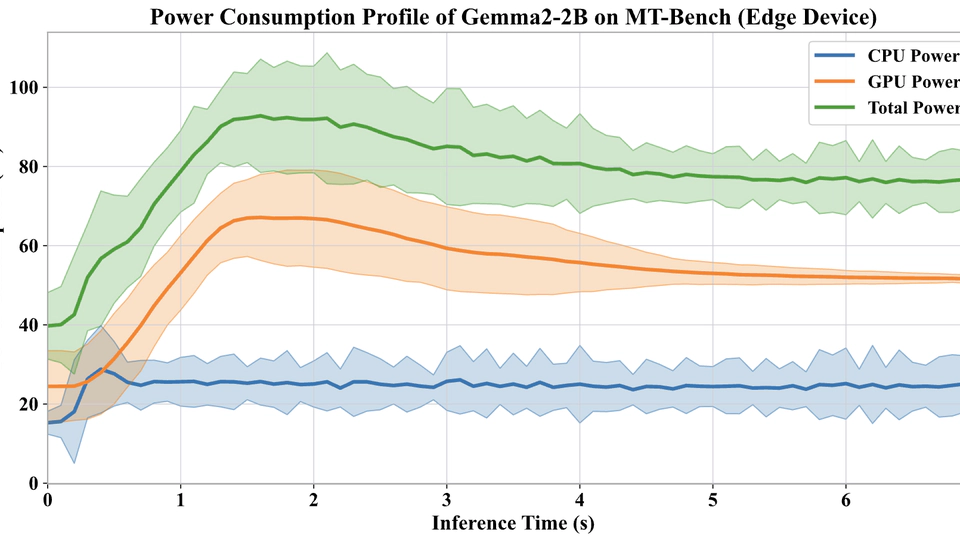
Proposed a unified stochastic framework combining HSMM-based power modeling and constrained MDP optimization to enable sustainable deployment of small language models (SLMs) on edge devices.
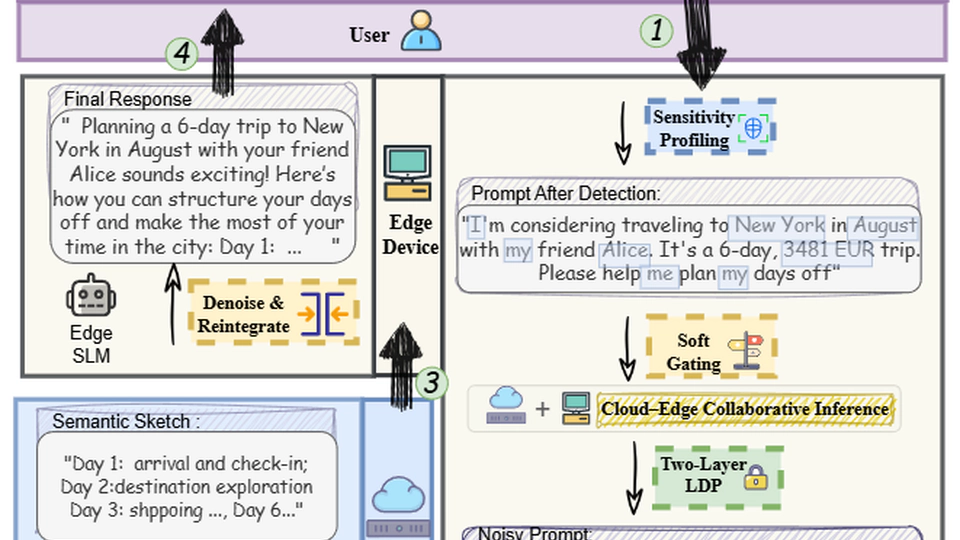
Designed a privacy-aware routing framework that dynamically selects execution paths across cloud and edge for LLM inference, combining adaptive LDP and semantic sketching
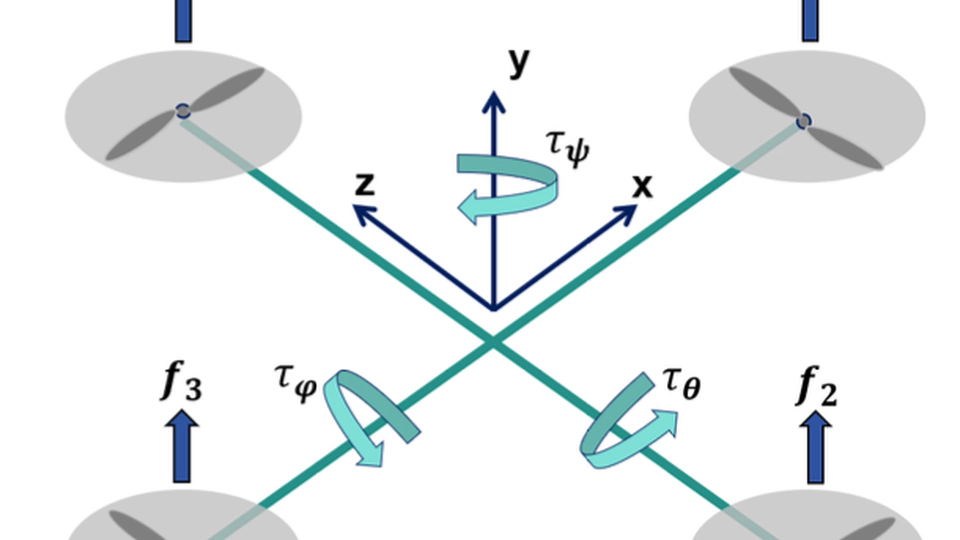
Developed a hybrid control framework integrating reinforcement learning and sliding mode observer into MPC for disturbance-aware UAV tracking.
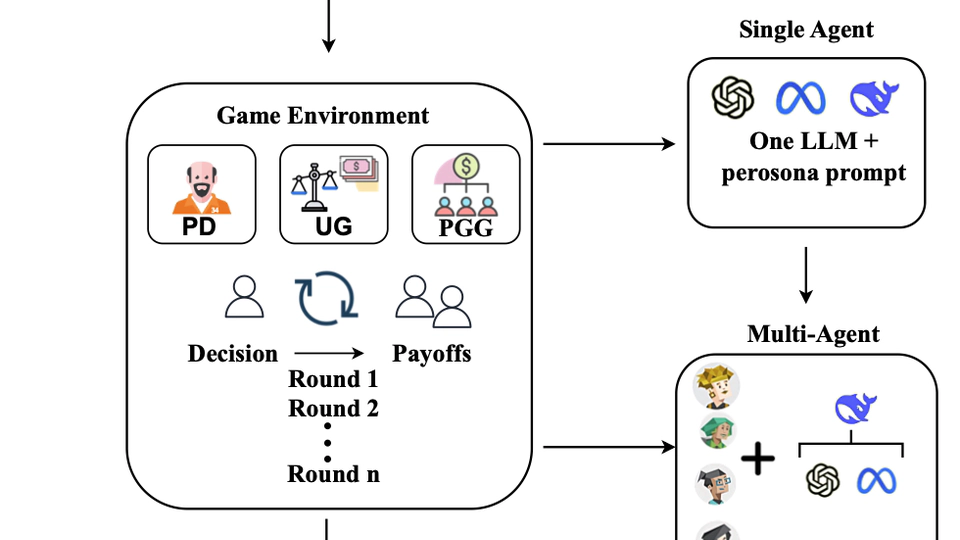
Evaluated LLM alignment with human behavior across strategic social games and proposed PRIME-Router to enhance role consistency and adaptability.
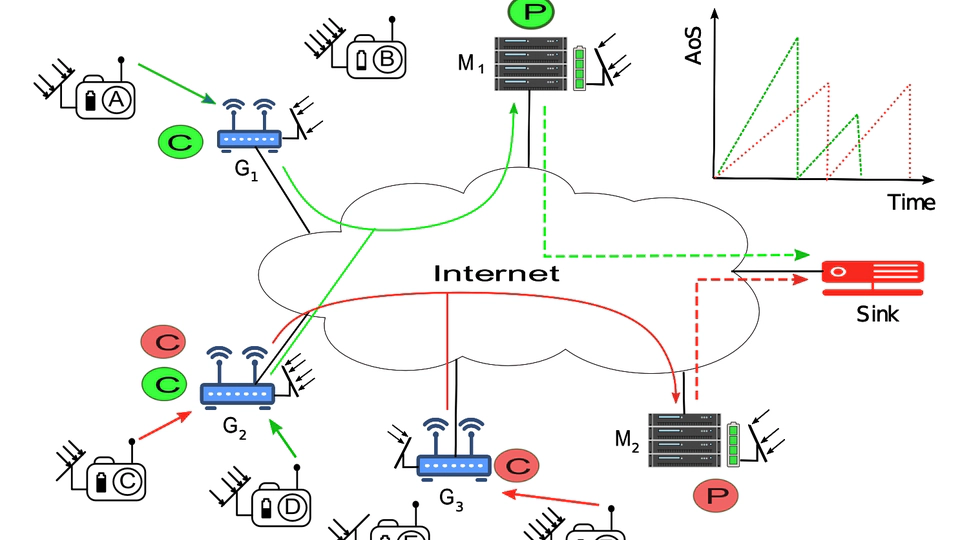
Developed optimization and control strategies to reduce service latency in renewable-powered IoT networks
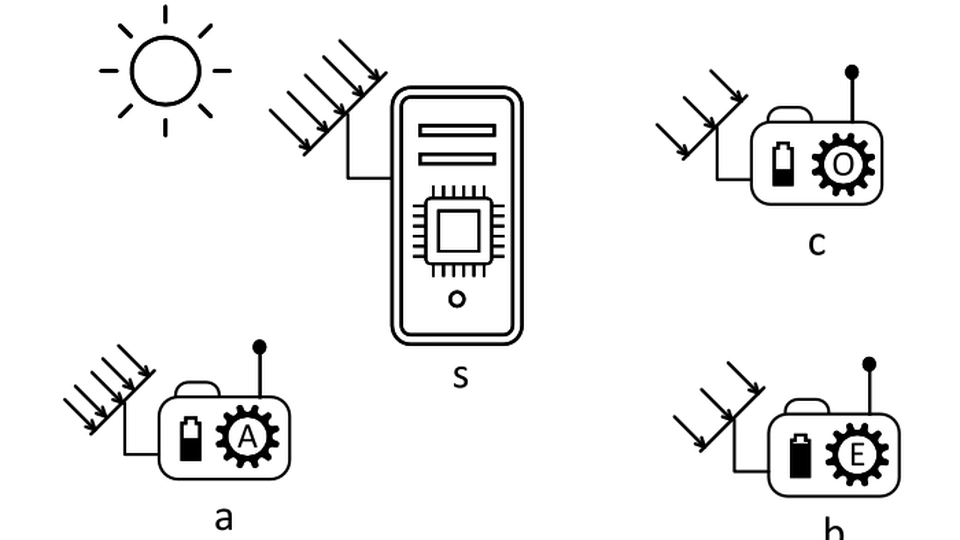
Proposed a novel MILP and Digital Twin-based control strategy for optimizing energy use in approximate IoT task execution.